AI Code Translation Between Languages 2026: Complete Migration Guide
Master AI-powered code translation between programming languages. Automatically convert Python to JavaScript, Java to Go, and more with intelligent optimization.
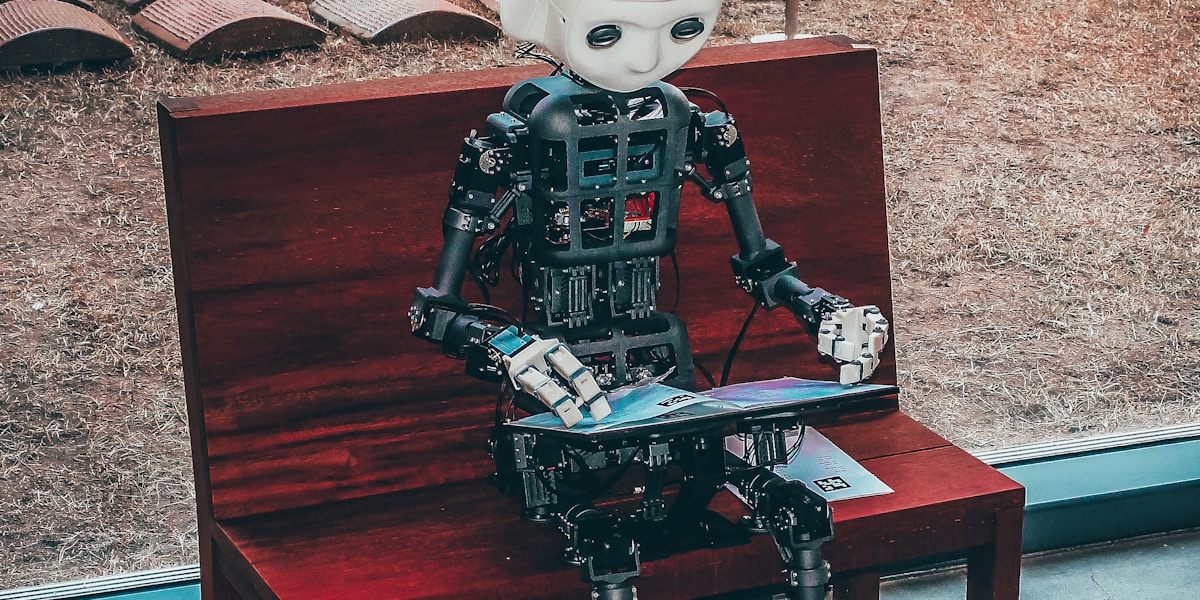
The Rise of AI Code Translation
In 2026, AI code translation has matured from experimental technology to production-ready tooling. Development teams are using AI to migrate legacy codebases, convert between languages for platform compatibility, and even port entire applications to new frameworks. The accuracy and speed of modern AI translation tools have made language barriers a thing of the past.
But AI code translation isn't just about syntax conversion. Modern tools understand language idioms, design patterns, and best practices. They don't just translate code—they reimagine it for the target language while preserving functionality and intent.
What Is AI Code Translation?
AI code translation uses large language models to convert code from one programming language to another while preserving functionality and applying language-specific best practices. Unlike simple transpilers, AI translation:
- Understands semantic meaning, not just syntax
- Applies target language idioms and patterns
- Optimizes for target language performance characteristics
- Handles language-specific features (generators, async/await, pattern matching)
- Preserves code structure and architecture
Leading AI Code Translation Tools in 2026
Sourcegraph Cody
Sourcegraph Cody has become the go-to solution for large-scale code translation. It can translate entire codebases while maintaining consistency and applying language-specific optimizations.
# Sourcegraph Cody translation
# cody.config.yaml
translation:
  source_language: python
  target_language: go
  scope: ./src
  output: ./translated

  options:
    preserve_structure: true
    apply_idioms: true
    optimize_performance: true
    generate_tests: true
Amazon CodeGuru (Translation Mode)
Amazon's CodeGuru now includes a powerful translation mode that specializes in converting Java to other JVM languages and vice versa. It understands enterprise patterns and applies appropriate translations.
// CodeGuru translation example
// Original Java
public class UserService {
    public User getUser(Long id) {
        return userRepository.findById(id)
            .orElseThrow(() -> new UserNotFoundException(id));
    }
}

// Translated to Kotlin
class UserService(private val userRepository: UserRepository) {
    fun getUser(id: Long): User = userRepository.findById(id)
        ?: throw UserNotFoundException(id)
}
Custom LLM Translation Pipeline
Many teams build custom translation pipelines using LLMs. This approach offers maximum flexibility and can be tailored to specific translation requirements.
# Python translation pipeline
from openai import OpenAI
import ast
import json

client = OpenAI()

def translate_function(code: str, target_lang: str) -> str:
    """Translate function to target language"""
    response = client.chat.completions.create(
        model="gpt-4",
        messages=[
            {"role": "system", "content": f"Translate code to {target_lang}. Preserve functionality and apply {target_lang} best practices."},
            {"role": "user", "content": code}
        ]
    )
    return response.choices[0].message.content

# Translate Python to JavaScript
python_code = """
def fibonacci(n):
    if n <= 1:
        return n
    return fibonacci(n-1) + fibonacci(n-2)
"""

js_code = translate_function(python_code, "JavaScript")
print(js_code)
# Output:
# function fibonacci(n) {
#   if (n <= 1) return n;
#   return fibonacci(n - 1) + fibonacci(n - 2);
# }
Best Practices for AI Code Translation
1. Understand Language Differences
Before translating, understand the key differences between source and target languages. This helps you review AI output more effectively and catch potential issues.
2. Test Extensively
AI translation isn't perfect. Create comprehensive test suites for both source and target code to verify functional equivalence.
# Test equivalence
def test_translation_equivalence():
    # Test original Python function
    python_results = [fibonacci(i) for i in range(10)]

    # Test translated JavaScript function
    js_results = [js_fibonacci(i) for i in range(10)]

    # Verify equivalence
    assert python_results == js_results, "Translation not equivalent"

    # Test edge cases
    assert fibonacci(0) == js_fibonacci(0)
    assert fibonacci(1) == js_fibonacci(1)
    assert fibonacci(20) == js_fibonacci(20)
3. Review Performance Characteristics
Different languages have different performance characteristics. Review translated code for potential performance issues and optimize as needed.
4. Maintain Code Structure
Preserve the original code's structure and architecture while adapting to target language conventions. Don't let AI completely restructure your code unless necessary.
# Translation with structure preservation
translation_config = {
    "preserve_structure": True,
    "maintain_patterns": True,
    "adapt_to_idioms": True,
    "optimize_for_target": True
}
The Future of AI Code Translation
Looking ahead, AI code translation will become even more sophisticated. We can expect:
- Real-time translation as developers write code
- Cross-language refactoring suggestions
- AI-driven language selection based on use case
- Automatic migration of entire applications
- Translation of domain-specific languages (DSLs)
Related Tools
Enhance your code translation workflow with our AI Code Explainer, AI Code Reviewer, JSON to YAML, and XML to JSON. These tools provide complementary capabilities for code analysis, format conversion, and optimization.
Frequently Asked Questions
What is AI code translation?
AI code translation uses large language models to convert code from one programming language to another while preserving functionality and applying language-specific best practices.
How accurate is AI code translation?
Modern AI translation achieves 80-90% accuracy for standard patterns. Complex business logic may require human review and refinement.
Can AI handle language-specific idioms?
Yes, advanced AI tools understand language-specific patterns and idioms, generating idiomatic code in the target language rather than literal translations.
What language pairs are best supported?
Most common pairs include Python↔JavaScript, Java↔Go, TypeScript↔Rust, and C++↔Python with high accuracy rates.
Does AI translation preserve code structure?
AI tools analyze code structure and maintain architectural patterns while adapting to the target language's conventions and best practices.