In 2026, Developer Experience (DX) has transformed from a nice-to-have to a core competitive advantage. AI-driven developer experience platforms can intelligently understand developer intent, automatically configure development environments, provide personalized learning paths, and continuously optimize workflows. This article dives deep into how to build developer-centric intelligent toolchains, from environment automation to intelligent documentation, from personalized recommendations to collaboration enhancement, helping teams dramatically improve development efficiency and satisfaction.
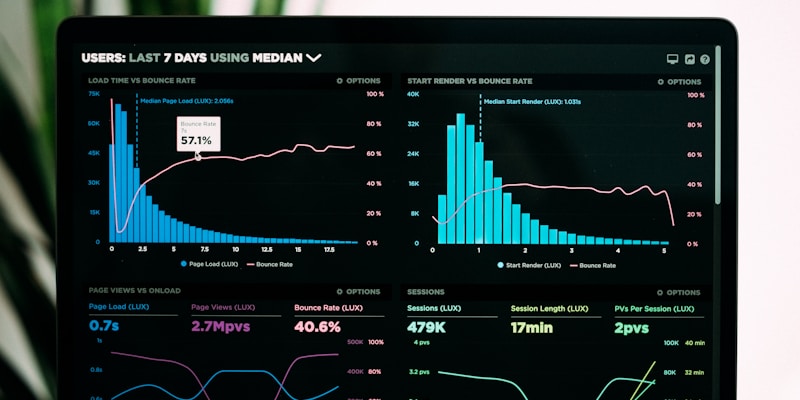
Figure 1: AI Developer Experience Platform Architecture
1. Core Architecture of AI Developer Experience Platforms
Modern AI DX platforms consist of multiple intelligent modules, forming a complete developer experience loop.
**Intent Understanding Engine**
Understand developer needs through NLP and behavioral analysis:
- Natural language query parsing
- Code context awareness
- Historical behavior pattern learning
- Multi-modal input support (voice, gestures, text)
**Environment Automation System**
Automatically configure and manage development environments:
- One-click environment setup
- Automatic dependency resolution and installation
- Intelligent configuration recommendations
- Environment status monitoring and self-healing
**Knowledge Management System**
Intelligently organize and retrieve development knowledge:
- Intelligent codebase indexing
- Automatic documentation updates
- Best practice recommendations
- Problem-solution matching
**Collaboration Enhancement Tools**
Improve team collaboration efficiency:
- Intelligent code review suggestions
- Conflict prediction and prevention
- Automated knowledge sharing
- Team workload balancing
Learn how to improve developer productivity? Check out our [Developer Productivity Tools Guide](/blog/developer-productivity-tools-2026).
2. Intelligent Environment Automation
Environment configuration is one of the biggest pain points for developers, and AI can greatly simplify this process.
**Intelligent Environment Configuration**
```typescript
// AI-driven environment configuration
interface DevEnvironment {
language: string;
framework: string;
dependencies: string[];
tools: string[];
}
class IntelligentEnvironmentSetup {
private aiModel: AIModel;
async setupEnvironment(projectPath: string): Promise<void> {
// Analyze project structure
const analysis = await this.analyzeProject(projectPath);
// Recommend optimal environment configuration
const config = await this.aiModel.recommendConfig({
projectType: analysis.type,
dependencies: analysis.dependencies,
teamPreferences: await this.getTeamPreferences(),
performanceRequirements: analysis.requirements
});
// Auto-install and configure
await this.installDependencies(config.dependencies);
await this.configureTools(config.tools);
await this.setupIDE(config.ideSettings);
// Validate environment
const validation = await this.validateEnvironment();
if (!validation.success) {
await this.autoRemediate(validation.issues);
}
}
private async analyzeProject(path: string) {
// Scan project files
const files = await this.scanFiles(path);
// Identify tech stack
const techStack = this.identifyTechStack(files);
// Analyze dependencies
const dependencies = this.analyzeDependencies(files);
return {
type: techStack.primary,
dependencies,
requirements: this.inferRequirements(techStack)
};
}
}
```
**Environment Drift Detection**
```python
# Detect environment configuration drift
class EnvironmentDriftDetector:
def __init__(self, baseline_config):
self.baseline = baseline_config
def detect_drift(self, current_env):
drifts = []
# Check dependency versions
for dep, version in current_env['dependencies'].items():
baseline_version = self.baseline['dependencies'].get(dep)
if baseline_version and version != baseline_version:
drifts.append({
'type': 'dependency_version',
'package': dep,
'expected': baseline_version,
'actual': version,
'severity': self.calculate_severity(dep, version)
})
# Check tool configurations
for tool, config in current_env['tools'].items():
baseline_config = self.baseline['tools'].get(tool)
if baseline_config and config != baseline_config:
drifts.append({
'type': 'tool_config',
'tool': tool,
'diff': self.calculate_diff(baseline_config, config)
})
return drifts
async def auto_fix(self, drifts):
for drift in drifts:
if drift['severity'] == 'high':
await self.rollback(drift)
elif drift['severity'] == 'medium':
await self.notify_and_suggest(drift)
```
**Personalized Environment Recommendations**
Recommend environment configurations based on developer habits and work patterns:
- Recommend IDE plugins based on project type
- Recommend code formatting tools based on team standards
- Recommend build tools based on performance requirements
- Recommend tutorial resources based on learning stage
Need to format configuration files? Try our [JSON Formatter Tool](/tools/json-formatter).

Figure 2: Intelligent Knowledge Management System
3. Intelligent Documentation and Knowledge Management
Documentation is a key part of developer experience, and AI can make documentation smarter and more practical.
**Automatic Documentation Generation**
```python
# AI-driven documentation generation
class IntelligentDocGenerator:
def __init__(self, codebase):
self.codebase = codebase
self.llm = LLMClient()
async def generate_docs(self):
# Analyze code structure
modules = self.codebase.get_modules()
docs = []
for module in modules:
# Generate module documentation
module_doc = await self.generate_module_doc(module);
# Generate API documentation
api_doc = await self.generate_api_doc(module);
# Generate usage examples
examples = await self.generate_examples(module);
docs.append({
'module': module.name,
'overview': module_doc,
'api': api_doc,
'examples': examples
})
return docs
async def generate_module_doc(self, module):
# Extract code comments and structure
code_info = self.extract_code_info(module)
# Use LLM to generate natural language descriptions
prompt = f"""
Generate module documentation based on the following code information:
Module name: {code_info.name}
Purpose: {code_info.purpose}
Main classes: {code_info.classes}
Dependencies: {code_info.dependencies}
Please generate clear, concise module documentation including:
1. Module overview
2. Core functionality
3. Use cases
4. Considerations
"""
return await self.llm.generate(prompt)
```
**Intelligent Search and Recommendations**
```typescript
// Intelligent documentation search
class IntelligentDocSearch {
private vectorStore: VectorStore;
private contextEngine: ContextEngine;
async search(query: string, context: SearchContext): Promise<SearchResult[]> {
// Understand query intent
const intent = await this.understandIntent(query, context);
// Vector similarity search
const semanticResults = await this.vectorStore.search(
intent.embedding,
{ topK: 10 }
);
// Context-aware reranking
const reranked = await this.contextEngine.rerank(
semanticResults,
{
userRole: context.userRole,
currentTask: context.task,
projectContext: context.project
}
);
// Generate summary
const summarized = await this.generateSummary(reranked, query);
return summarized;
}
}
```
**Real-time Documentation Updates**
- Automatically update related documentation when code changes
- Detect inconsistencies between documentation and code
- Prompt developers to update outdated content
- Automatically generate changelogs
Want to learn more about AI documentation? Check out our [AI Code Documentation Generation Guide](/blog/ai-powered-code-documentation-generation-2026).
4. Implementation Guide and Best Practices
Building an AI developer experience platform requires a systematic approach.
**Phase 1: Assessment and Planning**
1. Survey developer pain points
2. Identify high-value improvement areas
3. Set measurable goals
4. Develop implementation roadmap
**Phase 2: Infrastructure Construction**
```yaml
# AI DX platform architecture configuration
platform:
core:
intent_engine:
model: "gpt-4-turbo"
context_window: 128000
caching: true
environment_automation:
tools:
- docker
- kubernetes
- terraform
auto_remediation: true
knowledge_management:
vector_db: "pinecone"
embedding_model: "text-embedding-3-large"
search_index: "elasticsearch"
collaboration:
real_time_sync: true
conflict_detection: true
workload_balancing: true
```
**Phase 3: Progressive Deployment**
- Start with a single feature (e.g., environment automation)
- Collect user feedback for rapid iteration
- Gradually expand functional modules
- Establish success metric tracking
**Phase 4: Continuous Optimization**
- Monitor developer satisfaction (NPS)
- Track efficiency metrics (deployment frequency, MTTR)
- Collect qualitative feedback
- Regularly adjust AI models
**Key Success Factors**
1. **Developer Involvement**: Let developers participate in design and testing
2. **Rapid Iteration**: Small steps, continuous improvement
3. **Data-Driven**: Make decisions based on data
4. **Cultural Change**: Cultivate AI-first thinking
Want to learn more about developer tools? Check out our [AI Developer Productivity Tools Guide](/blog/ai-developer-productivity-tools-2026).
Frequently Asked Questions
What's the difference between AI DX platforms and traditional IDEs?
Traditional IDEs mainly provide code editing and basic tools, while AI DX platforms are complete developer experience solutions: 1) Cross-tool integration, unified management; 2) Intelligent intent understanding, proactive assistance; 3) Personalized recommendations, varying by person; 4) Continuous learning optimization. IDEs are tools, DX platforms are experiences.
How to measure improvements in developer experience?
Measure from multiple dimensions: 1) Efficiency metrics: commit frequency, deployment speed, bug fix time; 2) Quality metrics: code review pass rate, production incident rate; 3) Satisfaction metrics: NPS scores, developer surveys; 4) Adoption metrics: tool usage rate, feature activity. Combine these metrics to evaluate DX improvement effects.
How to ensure data security for AI DX platforms?
Adopt multi-layer security measures: 1) Local-first architecture, sensitive data stays local; 2) End-to-end encrypted transmission; 3) Fine-grained permission control; 4) Audit log tracking; 5) Compliance certifications (SOC2, GDPR). Code and documentation can choose local deployment or private cloud.
Do small teams need AI DX platforms?
Small teams also benefit, and may need it even more: 1) Reduce environment configuration time; 2) Accelerate new hire onboarding; 3) Automate repetitive work; 4) Improve collaboration efficiency. You can choose lightweight solutions, such as AI-assisted IDE plugins and automation tools, gradually expanding.
How long does it take to implement an AI DX platform?
Depends on scale and complexity: 1) Basic features (environment automation): 2-4 weeks; 2) Medium scale (+documentation management): 1-2 months; 3) Complete platform: 3-6 months. Recommend adopting an MVP approach, launching core features first, then iteratively expanding.