Executive Order 14434: The U.S. Government Renames AI 'Super Intelligence'
💡 Tool Tip:AI Content Detector, AI Translator, AI Meeting Summarizer
On September 29, 2026, President Trump signed Executive Order 14434, titled Inaugurating the Era of Super Intelligence. Its central move is not regulation but vocabulary. It directs executive departments and agencies to use Super Intelligence and SI in place of Artificial Intelligence and AI in official correspondence, public communications, websites, reports, policy documents and other non-statutory materials. The law did not change, but the federal government's wording did. For engineers, the significance is not a semantic debate about what AI should be called. It is the 60-day clock the order starts, at the end of which a proposed new federal definition could rewrite the legal meaning of AI itself. Here is the order, clause by clause.
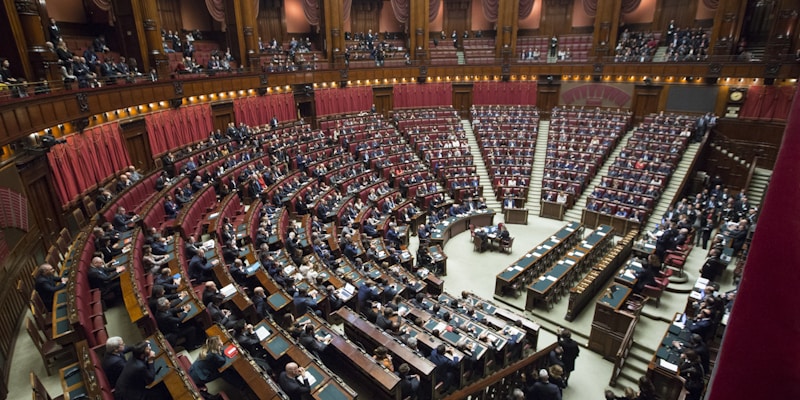
The vocabulary shift happens in the executive branch, not Congress
What the order actually says
Per the White House text, Section 1 states the policy: to the maximum extent permitted by law, the executive branch shall use Super Intelligence and SI in place of Artificial Intelligence and AI, and will not acknowledge the usage of the latter terms in any applicable setting. Section 2 implements it: agencies shall use the new terms in official correspondence, public communications, websites, reports, policy documents and other non-statutory documents within the executive branch. Section 3 defines it: for the purposes of the order, Super Intelligence and SI mean the technologies and systems encompassed by artificial intelligence as defined in 15 U.S.C. 9401(3). In other words, at least for now, Super Intelligence is not a new technical concept. It is a new name for an old one.
# The order, reduced to facts. Taken directly from the White House
# presidential action and fact sheet, both dated September 29, 2026.

EO_14434 = {
    "title": "Inaugurating the Era of Super Intelligence",
    "number": 14434,
    "signed": "2026-09-29",
    "directs": "executive departments and agencies",
    "to_use": "'Super Intelligence' and 'SI'",
    "in_place_of": "'Artificial Intelligence' and 'AI'",
    "where": "official correspondence, public communications,
              websites, reports, policy documents, and other
              non-statutory documents",
    "definition_deadline_days": 60,
    "submitter": "Assistant to the President for Science and Technology",
}
What changes and what does not
The boundary is the important part. Per Section 2(b), nothing in the order requires altering previously issued regulations, Presidential actions, contracts, grants or other historical documents. Analyses from Freshfields and Wiley stress that existing statutes, regulations, contracts and grants remain unchanged unless modified through future executive or agency action or an Act of Congress. So this is a rename aimed at communication, not a change in law. For your compliance mappings, contract clauses and legal citations, nothing expires because of this order today, though if your product copy or external comms face federal agencies, your terminology may need to track theirs.
# What changes, and what does not. The order is explicit that the
# rename is a communications policy, not a change in law.

CHANGES = {
    "changed": [
        "executive-branch communications and non-statutory documents",
        "the vocabulary agencies use going forward",
    ],
    "unchanged": [
        "existing regulations",
        "Presidential actions",
        "contracts and grants",
        "historical documents",
        "the statutory definition of AI in 15 U.S.C. 9401(3)",
    ],
}

# Per the order, 'SI' means exactly what 'AI' meant in 15 U.S.C. 9401(3)
# until superseded by later action or an Act of Congress.
Existing regulations, contracts and grants are unchanged by the rename
The real battle: the 60-day definition clock
The weightiest part is Section 3(b). Within 60 days, by November 28, 2026, the Assistant to the President for Science and Technology must submit proposed legislative language establishing a federal definition of Super Intelligence and SI. The proposal must include three things: an assessment of whether, and to what extent, the SI definition should modify, expand upon or supersede the existing statutory AI definition; any conforming amendments to existing statutory references to artificial intelligence and AI; and recommendations for additional Presidential or executive action. Freshfields notes the proposal must assess whether the new definition should modify, expand or supersede the current one. That is the part to watch: a rename today, a potential rewrite of the legal definition tomorrow.
# The 60-day clock is the part to watch. By November 28, 2026 the
# APST must submit proposed legislative language for a federal
# definition of SI. The proposal must include three things.

DELIVERABLE = {
    "due": "2026-11-28",
    "must_include": [
        "an assessment of whether the SI definition should modify,
         expand upon, or supersede the existing statutory AI definition",
        "any conforming amendments to existing statutory references to
         'artificial intelligence' and 'AI'",
        "recommendations for additional Presidential or executive action",
    ],
}

# A rename today; a possible rewrite of the legal definition tomorrow.
Why should engineers care about wording
Because terminology trickles down into engineering. Externally, if you sell to government customers, the language of procurement documents, RFPs and compliance questionnaires may shift with agency action. Internally, your docs, product copy, demos and sales material may need to switch to SI in specific contexts. There is a trap, though: legal terms of art must never be blindly replaced. Statutory citations such as 15 U.S.C. 9401(3) and the National AI Initiative Act, along with any quoted regulatory text or existing contract and grant language, must stay as written. The safe approach is to treat the rename as a search-and-review task, not a global find-and-replace.
# If you maintain docs or product copy that references federal AI
# terminology, treat the rename as a search-and-review task, not a
# blind find-and-replace. Legal terms of art must not be rewritten.

PROTECTED_TERMS = [
    "15 U.S.C. 9401(3)",
    "National AI Initiative Act",
    "any quoted statutory text",
    "existing contract, grant or regulatory language",
]

def relabel(text, protect=PROTECTED_TERMS):
    # Only relabel non-statutory, non-quoted prose.
    if any(term in text for term in protect):
        return text            # leave legal terms of art untouched
    return text.replace("AI", "SI").replace("Artificial Intelligence", "Super Intelligence")

# Rule of thumb: rename your marketing, not your legal citations.
The real battle is the new federal definition due within 60 days
How teams should respond
A pragmatic list. First, run a terminology pass over external materials aimed at federal agencies, separating non-statutory prose from statutory citations: rename the former, leave the latter. Second, keep a lightweight policy tracker watching three things: the APST's proposed legislative language, any Act of Congress amending the definition, and whether agency procurement guidance starts adopting SI. Third, keep translations consistent so readers do not mistake Super Intelligence for a brand new technical category. Fourth, resist renaming your technical documentation prematurely; unless the counterparty agency has switched, keeping AI with a note that it is what EO 14434 calls SI is less error-prone.
# A lightweight tracker for teams that follow AI policy, so the
# vocabulary change never silently breaks a compliance mapping.

POLICY_WATCH = {
    "eo_14434_signed": "2026-09-29",
    "si_definition_due": "2026-11-28",
    "still_in_force": "15 U.S.C. 9401(3) AI definition",
    "watch_for": [
        "APST proposed legislative language",
        "any Act of Congress amending the definition",
        "agency guidance adopting SI in procurement",
    ],
}

def compliance_label(agency_uses_si):
    return "SI" if agency_uses_si else "AI"   # match the counterparty
The bigger picture
Set this against the 2026 policy rhythm. On one track, NIST's AI Agent Standards Initiative rolls on, with agent-specific overlays still uncommitted. On another, the executive branch has renamed the term AI itself. Together they point the same way: AI governance is spreading from technical standards into language and legal definition. The practical response for developers is not to be led by the vocabulary. Keep your attention on the engineering constraints that actually matter, data, credentials, evaluation and audit, while maintaining a light but continuous sensitivity to policy wording, because contracts, compliance and procurement are where a rewritten definition will be felt first.
📌 Frequently Asked Questions
What does Executive Order 14434 say?
Per the White House text dated September 29, 2026, it directs executive departments and agencies, to the maximum extent permitted by law, to use Super Intelligence and SI in place of Artificial Intelligence and AI in official correspondence, public communications, websites, reports, policy documents and other non-statutory documents.
Does this change the law?
No. Per Section 2(b) and analyses from Freshfields and Wiley, existing regulations, Presidential actions, contracts, grants and historical documents remain unchanged, and the statutory AI definition in 15 U.S.C. 9401(3) remains in force unless modified by future executive action or an Act of Congress.
What is the 60-day deadline?
Per Section 3(b), within 60 days of the order's date, by November 28, 2026, the Assistant to the President for Science and Technology must submit proposed legislative language establishing a federal definition of Super Intelligence and SI, including an assessment of whether to modify, expand or supersede the existing AI definition.
What does it mean for teams building AI products?
The near-term impact is mainly terminology. External materials aimed at federal agencies may need to switch terms in non-statutory prose, while statutory citations, contracts and regulatory language must stay as written. Treat it as a search-and-review task rather than a global replace, and track the APST's legislative proposal.
Is Super Intelligence a new technical concept?
Per Section 3(a) of the order, for the purposes of the order, Super Intelligence and SI mean the technologies and systems encompassed by artificial intelligence as defined in 15 U.S.C. 9401(3). At least for now, it is a new name for an existing legal concept, not a new technical definition.
🔧 Recommended Tools
📚 Sources
- The White House - Executive Order: Inaugurating the Era of Super Intelligence (2026-09-29)
- The White House - Fact Sheet (2026-09-29)
- Freshfields - Trump EO mandates shift to Super Intelligence (2026-10-01)
- Wiley - EO rebrands AI as Super Intelligence (2026-10-02)
- Transparency Coalition - AI legislative update (2026-10-02)