GitHub Universe 2026 Preview: The Agentic Era Comes to Developer Tooling
💡 Tool Tip:AI Code Reviewer, AI Prompt Templates, YAML Validator
GitHub Universe, GitHub flagship developer event, returns to the historic Fort Mason Center in San Francisco on October 28-29, 2026. This year the theme says the quiet part out loud: All together now, in the agentic era. The framing GitHub uses is that software development has always been collaborative, but that collaboration now goes beyond people, extending to tools, integrations and agents in one unified workflow. For teams already running coding agents, the agenda is less a product showcase and more a set of signals about what the platform will expect of you next year. Here is what is confirmed, what the format changes mean, and how to get your repositories ready before the doors open.
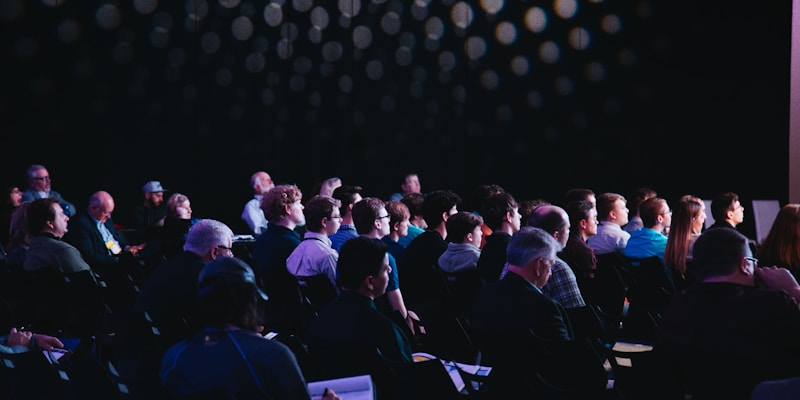
GitHub Universe 2026 runs October 28-29 at Fort Mason Center, San Francisco
What, where and when
According to the GitHub Blog announcement, Universe runs October 28-29, 2026 at the Fort Mason Center in San Francisco. GitHub describes it as its flagship event for developers and the teams who support them: builders, maintainers, security practitioners, technical leaders and partners. There are more than 100 sessions across the two days, spanning keynotes, panels, workshops and immersive product experiences. Super Early Bird passes were offered at the best price of the year, with an extra 20 percent off when buying four or more, and the early-bird window closed on July 9, 2026.
# GitHub Universe 2026, in one object. Source: the GitHub Blog
# announcement (Ariel Kanter) and githubuniverse.com.

UNIVERSE_2026 = {
    "dates": "2026-10-28 to 2026-10-29",
    "venue": "Fort Mason Center, San Francisco, CA",
    "theme": "All together now, in the agentic era",
    "sessions": "100+",
    "early_bird_deadline": "2026-07-09",
    "group_discount": "save an extra 20% on 4+ passes",
}

# The framing GitHub uses: collaboration now goes beyond people,
# extending to tools, integrations and agents in one workflow.
What is new in the format
GitHub has reworked several parts of the experience based on what attendees liked last year. There is a new format for Ship and Tell sessions, a fast-paced lightning-talk slot where the community shares what it has built, with time for questions. Speaker After Parties move deeper conversations into GitHub Central, where you can ask about the work behind the talks. A Discussions Lounge powered by Braindate lets attendees suggest topics and lead small-group discussions, which is how you tap the collective knowledge in the room. And the Open Source Zone has grown into The Source, with a bigger open-source presence and more ways to meet the people behind the projects.
# What is new in the format this year, from the official post.

NEW_THIS_YEAR = {
    "Ship & Tell sessions": "fast lightning talks from the community, with Q&A",
    "Speaker After Parties": "deeper conversations in GitHub Central",
    "Discussions Lounge": "powered by Braindate; attendees suggest and lead topics",
    "The Source": "the Open Source Zone, bigger, with more projects to meet",
}

# These formats matter for teams who want to leave with a workflow
# they can apply, not just a keynote to quote.
The agentic era rewrites how humans and agents share one workflow
What the agenda signals
The programme details are where the real signal sits. Coverage of the agenda points to sessions on AI code verification, npm security, software supply-chain integrity, AI agent memory and MCP, alongside developer tools like Vite, Copilot and DevSecOps practice. Read together, those topics describe the same operational shift: once agents write a meaningful share of the code, the scarce skills become verification, supply-chain trust and context management. The theme of humans working alongside agents only holds if teams can prove that agent-written code is correct and that its dependencies are trustworthy, which is exactly what these sessions are about. Watch the wording carefully across the programme: verification, provenance and memory all assume a world where the author of a change may not be a person, and the tooling has to keep up.
# Prep your repo for agentic contributions before you go. The file
# your agents read defines behaviour more than any prompt you type.

# AGENTS.md - committed at the repo root, loaded by coding agents.

## Build & test
- install: `pnpm install`
- test: `pnpm test` (Vitest)

## Rules agents must follow
- never create or flip repositories to public
- never push to a personal account; use the org remote
- never add a dependency without a security review
- run the full test suite before opening a PR
- keep PRs small; one logical change each

## Do not touch
- `.github/workflows/**` without human approval
Preparing your team
The cheapest preparation is a committed instruction file. An AGENTS.md at the repository root is what coding agents load before they act, and it defines behaviour more reliably than any prompt you type in a chat window. Spell out the install and test commands, the rules agents must follow, and the paths they must not touch without human approval. Good rules are concrete and few: never create or flip repositories to public, never push to a personal account, never add a dependency without a security review, and always run the full test suite before opening a pull request. Treat this file like production code: review every change to it, and keep it under version control alongside the code it governs.
# CI for agent-written code: verify, do not just trust. This
# workflow runs on every PR an agent opens.

# .github/workflows/verify-agent-pr.yml
name: verify-agent-pr
on: pull_request
jobs:
  verify:
    runs-on: ubuntu-latest
    steps:
      - uses: actions/checkout@v5
      - uses: actions/setup-node@v5
        with:
          node-version: 22
      - run: pnpm install --frozen-lockfile
      - run: pnpm lint
      - run: pnpm test
      - run: pnpm audit --audit-level=high
      - name: Provenance check
        run: npm audit signatures
Expect sessions on AI code verification and npm supply-chain security
CI for agent-written code
Verification belongs in continuous integration, not in optimism. Set up a workflow that triggers on every pull request, including those an agent opens, and runs lint, tests and a high-severity dependency audit. Add a provenance check so you know which package registry and signatures your dependencies came from. The point is not to slow agents down; it is to make the safe path the default path, so a merge means the same thing regardless of who, or what, wrote the change. A gate that only fires for human authors is a gate that agents will eventually walk around.
# A pre-Universe checklist for teams already shipping agent code.

READY_FOR_AGENTS = [
    "commit an AGENTS.md with build, test and no-go rules",
    "gates: no public repos, no pushes to personal accounts",
    "CI that lints, tests and audits every agent PR",
    "dependency provenance checks on the npm supply chain",
    "a memory/context plan so agents do not start from zero",
    "MCP servers reviewed and pinned before they are exposed",
]
A preparation checklist
Before you travel to Universe, close the obvious gaps. Commit an AGENTS.md with build, test and no-go rules. Add gates that block public repositories and pushes to personal accounts. Stand up CI that lints, tests and audits every agent PR. Turn on dependency provenance checks for the npm supply chain. Write down a memory and context plan so agents stop starting from zero. And review every MCP server before you expose it, pinning the ones you keep. None of this requires the conference; it just makes the conference useful, because you will arrive with concrete questions instead of vague curiosity. The sessions are only as valuable as the problems you bring to them, and a repository that already has an instruction file, a CI gate and a memory plan turns a generic talk into a specific, actionable conversation.
📌 Frequently Asked Questions
When and where is GitHub Universe 2026?
According to the GitHub Blog and the official site, GitHub Universe 2026 runs October 28-29, 2026 at the Fort Mason Center in San Francisco, California, with more than 100 sessions across the two days.
What is the theme of GitHub Universe 2026?
The theme is All together now, in the agentic era. GitHub frames it as collaboration extending beyond people to tools, integrations and agents in one unified workflow, which shapes the programming across keynotes, panels and workshops.
What is new in the Universe format this year?
Per the GitHub Blog: a new Ship and Tell lightning-talk format, Speaker After Parties in GitHub Central, a Discussions Lounge powered by Braindate, and an expanded open-source presence renamed The Source from the Open Source Zone.
What should be on my radar from the agenda?
Coverage of the agenda points to sessions on AI code verification, npm security, software supply-chain integrity, AI agent memory and MCP, plus developer tools like Vite and Copilot and DevSecOps practice, all reflecting the shift toward verifying agent-written code.
How should I prepare my repo before attending?
Commit an AGENTS.md with build, test and no-go rules, add gates that block public repositories and pushes to personal accounts, set up CI that lints, tests and audits every agent PR, enable dependency provenance checks, and review any MCP servers you expose.