AI代码审查自动化2026:提升代码质量的终极指南
2026年,AI代码审查已经从辅助工具演变为开发流程的核心环节。传统的代码审查依赖人工经验,耗时长、一致性差。AI代码审查自动化可以24/7运行,保持统一标准,快速发现问题。本文将带你掌握AI代码审查的核心技术和最佳实践。
一、AI代码审查的核心价值
AI代码审查的核心价值在于:一致性(每次审查标准相同)、速度(秒级完成审查)、全面性(覆盖代码风格、性能、安全、最佳实践)、学习性(从团队历史中学习偏好)。2026年的AI审查工具可以检测85%以上的常见问题,将人工审查时间减少60%。
import { CodeReviewAI } from "@review-ai/core";

const reviewer = new CodeReviewAI({
  model: "claude-code-review-v3",
  rules: [
    "code-style",
    "performance",
    "security",
    "best-practices",
  ],
  threshold: 0.8, // Only flag issues with >80% confidence
});

// Review pull request
const review = await reviewer.reviewPR({
  repo: "myorg/myrepo",
  prNumber: 123,
  focus: ["logic", "architecture", "maintainability"],
});

// Post comments automatically
review.comments.forEach(async (comment) => {
  await reviewer.postComment({
    file: comment.file,
    line: comment.line,
    body: comment.suggestion,
    severity: comment.severity,
  });
});

console.log(`Review complete: ${review.summary}`);
二、主流AI代码审查工具
2026年主流工具包括:GitHub Copilot Code Review(深度集成GitHub)、CodeRabbit(专注PR审查)、Sourcery(Python生态)、Qodana(JetBrains方案)。选择时考虑:集成难度、自定义能力、学习曲线、成本。
# Python Code Review Pipeline
from review_ai import ReviewPipeline
from github import Github

pipeline = ReviewPipeline(
    model="gpt-4-code-review",
    context_window=128000,
    custom_rules="./review-rules.yaml"
)

# Initialize GitHub connection
gh = Github(os.getenv("GITHUB_TOKEN"))
repo = gh.get_repo("myorg/myrepo")
pr = repo.get_pull(123)

# Get changed files
changed_files = pr.get_files()

# Review each file
for file in changed_files:
    if file.filename.endswith(('.py', '.js', '.ts')):
        review_result = pipeline.review(
            code=file.patch,
            context={
                "filename": file.filename,
                "pr_description": pr.body,
                "related_files": get_related_files(file.filename)
            }
        )

        # Post inline comments
        for issue in review_result.issues:
            pr.create_review_comment(
                body=issue.suggestion,
                commit_id=pr.head.sha,
                path=file.filename,
                line=issue.line
            )

# Post summary comment
pr.create_issue_comment(review_result.summary)
三、自定义审查规则
自定义规则是AI代码审查的灵魂。2026年的工具支持多种规则定义方式:正则表达式、AST模式、自然语言描述。推荐使用自然语言描述业务规则,让AI理解意图并自动生成检测逻辑。例如:'所有API端点必须有速率限制'。
// Custom Review Rules Configuration
{
  "rules": [
    {
      "id": "no-console-log",
      "pattern": "console\\.log\\(",
      "severity": "warning",
      "message": "Remove console.log before merging",
      "autoFix": "remove-line"
    },
    {
      "id": "require-error-handling",
      "pattern": "async\\s+function.*(?<!try\\s*\\{)",
      "severity": "error",
      "message": "Async functions must have error handling",
      "suggestion": "Wrap in try-catch block"
    },
    {
      "id": "performance-n-plus-1",
      "pattern": "\\.forEach\\(.*await",
      "severity": "warning",
      "message": "Potential N+1 query detected",
      "suggestion": "Use Promise.all() for parallel execution"
    }
  ],
  "exceptions": [
    {
      "file": "**/*.test.ts",
      "rules": ["no-console-log"]
    }
  ]
}
四、智能代码建议
AI不仅能发现问题,还能提供修复建议。2026年的工具可以:自动生成修复代码、学习团队编码风格、预测潜在问题、提供重构建议。关键是设置合理的置信度阈值,避免过度干预。
// AI-Powered Code Suggestions
import { CodeSuggester } from "@review-ai/suggest";

const suggester = new CodeSuggester({
  model: "codex-review-v2",
  learningRate: 0.01,
});

// Learn from team's review history
await suggester.learnFromHistory({
  repo: "myorg/myrepo",
  lookback: "6months",
  minApprovals: 2,
});

// Generate suggestions for new PR
const suggestions = await suggester.generateSuggestions({
  pr: currentPR,
  context: {
    teamStyle: "functional",
    architecture: "microservices",
    testingFramework: "jest",
  },
});

// Apply suggestions automatically (with approval)
suggestions.forEach(async (suggestion) => {
  if (suggestion.confidence > 0.9) {
    await suggester.applySuggestion(suggestion, {
      autoCommit: false,
      requireApproval: true,
    });
  }
});
五、审查分析与持续改进
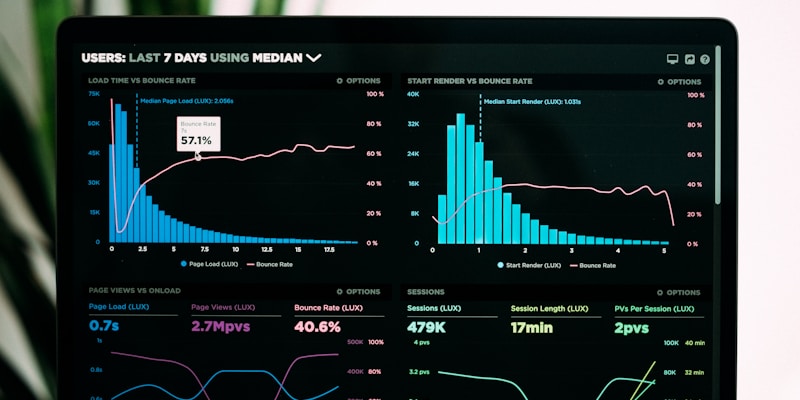
AI代码审查不仅是发现问题,更是持续改进的过程。通过分析审查数据,可以发现:常见错误模式、团队技能短板、架构问题趋势、代码质量变化。这些洞察帮助团队有针对性地改进。
// Review Analytics Dashboard
import { ReviewAnalytics } from "@review-ai/analytics";

const analytics = new ReviewAnalytics({
  repo: "myorg/myrepo",
  period: "30days",
});

// Get review metrics
const metrics = await analytics.getMetrics();

console.log("Review Metrics:");
console.log(`- Total PRs: ${metrics.totalPRs}`);
console.log(`- Average review time: ${metrics.avgReviewTime}h`);
console.log(`- Issues caught by AI: ${metrics.aiCaughtIssues}`);
console.log(`- False positive rate: ${metrics.falsePositiveRate}%`);
console.log(`- Code quality score: ${metrics.qualityScore}/100`);

// Generate insights
const insights = await analytics.generateInsights();
insights.forEach(insight => {
  console.log(`💡 ${insight.category}: ${insight.recommendation}`);
});

// Export report
await analytics.exportReport({
  format: "pdf",
  includeCharts: true,
  recipients: ["[email protected]"],
});
六、实施最佳实践
实施AI代码审查需要:从小范围试点开始、收集团队反馈、逐步调整规则、建立人机协作流程。建议先在非关键项目上试验,积累经验后再推广到全团队。关键是要让团队参与规则制定,增强接受度。
📌 常见问题 FAQ
AI代码审查会替代人工审查吗?
不会。AI擅长检测模式和规则,但复杂的业务逻辑、架构决策仍需人工判断。AI是增强工具,不是替代品。最佳实践是AI初审+人工复审。
AI代码审查的误报率如何?
2026年主流工具的误报率在10-20%,通过自定义规则和持续学习可以降低到5%以下。关键是设置合理的置信度阈值。
如何处理AI审查的性能影响?
使用增量审查、异步处理、缓存机制。建议在PR创建时触发审查,避免阻塞开发流程。大多数工具支持并行审查多个文件。
AI代码审查支持哪些编程语言?
主流工具支持JavaScript/TypeScript、Python、Java、Go、Rust、C#等。部分工具还支持SQL、GraphQL等查询语言。选择时确认支持你的技术栈。
如何衡量AI代码审查的效果?
关键指标包括:问题发现率、审查时间缩短、代码质量评分、团队满意度。建议每月回顾数据,持续优化规则和流程。