「没有遥测,不许上线」:Gartner 说按量计价的 Agent 会把预算打穿 50%
💡 工具推荐: AI Token 计数、JSON 格式化、Cron 表达式解析
2026 年 10 月 26 日,Gartner 发布了它对 2027 年基础设施与 IT 运营(I&O)的判断:五条 AI 趋势,覆盖 Agent 在运维里的角色、自主工作流的成本、混合 AI 基础设施、运营与网络安全的合流,以及 I&O 自身演变成企业 AI 平台的编排者。这份预测建立在一项调研上——2026 年 4 月到 5 月访问了 272 位 I&O 负责人,其中 58% 认为在未来 12 个月里,把 AI 的概念验证推进成 I&O 的实际采用是重要优先级。Gartner 副总裁分析师 Jonathan Forest 的建议是别贪多:把钱投在能产生可衡量业务影响的方向,而不是试图一次解决 AI 的所有面向。
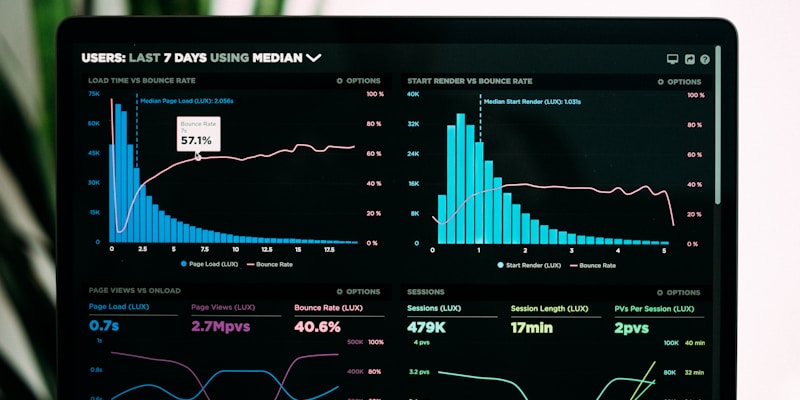
痛的不是贵,是不可预测——这句话在 2026 年被反复验证。
一、Agent 进运维:从接近零到一半,只用了四年
第一条预测的跨度很大:到 2030 年,50% 的组织会在 IT 运营中使用几乎不需要人工介入的 AI Agent,而 2026 年这个比例接近零。Gartner 点名 Agent 会接手的活是事件分级(incident triage)、变更校验和修复执行。这几件事的共同点是「有明确判定标准、但需要人来回翻资料」,正好是 Agent 擅长的形状。对工程团队来说,这条预测的实际含义不是「准备被替代」,而是「现在就要把三样东西建起来」:Agent 的权限边界(它能改什么、不能改什么)、动作审计(谁在什么依据下做了什么)、以及回滚能力。没有这三样,第一个 Agent 上线的那周就会变成事故周。
# The gate Gartner is describing, written as a schema you have to fill
# BEFORE the agent gets a production credential.
workflow_id: io-incident-triage
agent:
  name: triage-agent
  version: 2026-10-24
  tools: [read_alerts, read_runbooks, open_ticket]
budget:
  pricing_model: variable            # variable | committed | bundled
  monthly_cap_usd: 400
  per_run_cap_usd: 0.40
  alert_at_pct: [50, 80, 100]
telemetry:
  emits:
    - run.span                        # one span per agent invocation
    - run.tokens.input
    - run.tokens.output
    - run.tokens.cache_read
    - run.tool_calls
    - run.outcome                     # success | timeout | denied
  sink: otel
  retention_days: 30
  owner: platform-ops
# No emits block, no credential. That is the whole policy.
二、Token 经济学:那 50% 到底在说什么
第二条预测是整份材料里最有信息量的一条。Gartner 说,到 2027 年,用不设上限的按 token 计价模式来跑 IT 运营 Agent 的企业,实际支出会超出初始预期 50% 以上——对照组是采用可预测的订阅制和打包定价的企业。这句话常被读成「模型涨价了」,其实是定价结构的问题:从对话式 AI 转向自主 Agent,每个任务要走的步数变多了,而每一步都要 token;难任务的步数没人能提前预测。同一份材料里的另一句解释是:Agent 消耗的 token 远多于对话式 AI,因为多步任务本身就需要多得多的 token。所以真正的行动项是两件——一是把「按量」和「包月/打包」放在一起算盈亏平衡点,二是给每一次 Agent 运行设上限,而不是给整个团队设一个总额。
# Why ">50% over expectation" is a pricing-model statement, not a
# statement about model prices falling. Compare two ways to buy the same
# volume before you sign anything.

def compare(monthly_runs, avg_tokens_in, avg_tokens_out,
            price_in, price_out, committed_monthly_usd, run_cap):
    variable = monthly_runs * (
        avg_tokens_in / 1e6 * price_in + avg_tokens_out / 1e6 * price_out
    )
    # Agents retry. A hard task can cost 3x the median run.
    variable_tail = variable * 1.6
    committed = committed_monthly_usd
    return {
        "variable_usd": round(variable, 2),
        "variable_with_tail_usd": round(variable_tail, 2),
        "committed_usd": round(committed, 2),
        "worst_case_overrun_pct": round((variable_tail / run_cap - 1) * 100, 1),
        "breakeven_runs": round(committed / (variable / monthly_runs), 0),
    }

# The useful output is breakeven_runs, not the headline bill. If your
# agent fleet runs below breakeven, variable pricing is correct and the
# cap is what protects you; above it, the overrun is structural.
三、把「没有遥测,不许上线」写成闸门
Gartner 给的建议原话很短:no telemetry, no deployment。这句话如果在会上念一遍,下周就会被忘掉;写成代码才有效。做法是给每个 Agent 工作流一张「上线前必须填满」的表:定价模型、月度上限、单次运行上限、以及必发的遥测指标——一次调用一个 span,输入/输出/缓存读取 token,工具调用次数,以及结果状态(成功、超时、被拒绝)。再加一个很多人会跳过的字段:遥测的负责人。没有负责人的成本,等于没人预测的成本,而这正是 Gartner 描述的那种失败:账单来了才知道超了。落地成 CI 检查之后,这套东西的维护成本接近于零,拦住的却是最贵的那类错误。
到 2029 年,80% 的大型企业会把生产 AI 负载铺在至少三种基础设施环境上。
# Enforcement, not exhortation. This runs in CI and blocks the deploy.
import json, sys

REQUIRED_EMITS = {
    "run.span", "run.tokens.input", "run.tokens.output",
    "run.tokens.cache_read", "run.tool_calls", "run.outcome",
}

def gate(path):
    cfg = json.load(open(path))
    tel = cfg.get("telemetry") or {}
    emits = set(tel.get("emits") or [])
    missing = REQUIRED_EMITS - emits
    problems = []
    if missing:
        problems.append(f"missing telemetry: {sorted(missing)}")
    if not cfg.get("budget", {}).get("monthly_cap_usd"):
        problems.append("no monthly_cap_usd")
    if not tel.get("owner"):
        problems.append("telemetry has no named owner")
    if problems:
        print("BLOCKED by no-telemetry-no-deployment policy:")
        for p in problems:
            print(" -", p)
        sys.exit(1)
    print("gate passed:", cfg["workflow_id"])

# The owner field is the part teams skip. Cost with no owner is cost
# nobody forecasts, which is exactly the failure mode Gartner describes.
四、混合基础设施:三种环境是容量规划,不是架构图
第三条预测说,到 2029 年,80% 的大型企业会把生产 AI 负载跑在至少三种基础设施环境上,可能包括公有云、neocloud、自有数据中心和边缘。Gartner 给的原因是隐私、成本、性能和数据主权四股力量同时在推。对做落地的人来说,这句话的后果很具体:每多一种环境,就多一套身份体系、多一条出网链路、多一份监控埋点。所以正确的做法不是「哪里有 GPU 就去哪」,而是先写一份放置策略:哪类数据的负载允许出网、每月的出网预算是多少、延迟预算是多少。特别提醒一条:被归类为受限数据的负载,不应该出现在任何需要出网的环境里——这条规则写进策略比写在文档里有用得多。
# Placement policy for the hybrid reality: production AI on public cloud,
# neocloud, on-prem and edge at the same time. Write the rules down once.
placement:
  workloads:
    - name: ticket-classifier
      data_class: internal
      environments: [public_cloud, on_prem]
      egress_budget_gb_month: 50
    - name: transcript-summariser
      data_class: restricted
      environments: [on_prem]          # sovereignty: no egress
      gpu: L40S
    - name: store-inference
      data_class: public
      environments: [edge, neocloud]
      latency_budget_ms: 300

policy:
  deny_if:
    - data_class == "restricted" and environment != "on_prem"
    - egress_gb_month > egress_budget_gb_month
  cost_attribution:
    tag_keys: [workload, environment, owner]
  review: quarterly

# Three environments is a capacity plan, not an architecture diagram:
# every extra environment duplicates identity, egress and monitoring.
五、NOC 与 SOC 合流,以及 I&O 变成编排者
第四条预测给了一组很具体的数字:到 2030 年,25% 的企业会把网络运营中心(NOC)和安全运营中心(SOC)合并,2026 年是 5%;合并后工具与人员的总支出可能降低超过 25%。它的逻辑和上一波「可观测性与安全合流」是同一个:当 Agent 拿着跨栈权限,一个错误动作既是故障也是安全事件。合并在工程上其实是一个查询——把运维事件和安全事件按资产与时间对齐,找出同一个小时内两边都出现的资产,那才是值得叫人的。第五条预测更像结论:到 2030 年,没有强 I&O 牵头 AI 基础设施设计、架构与支持的组织,AI 举措失败的概率是其他组织的两倍以上。Forest 的补充是,AI 基础设施太贵,容错空间很小——所以别把 I&O 当成审批关卡,把它当成编排者。

到 2030 年,25% 的企业会把 NOC 和 SOC 合并,2026 年这个比例是 5%。
-- NOC meets SOC: one correlation view, not two dashboards.
-- Join operational signals to security signals by asset and time,
-- then rank by blast radius rather than by source system.
WITH ops AS (
  SELECT asset_id, ts, 'ops' AS source, severity, signal
  FROM ops_events
  WHERE ts > now() - INTERVAL '1 hour'
), sec AS (
  SELECT asset_id, ts + INTERVAL '0 second' AS ts, 'sec' AS source,
         severity, signal
  FROM security_events
  WHERE ts > now() - INTERVAL '1 hour'
), merged AS (
  SELECT * FROM ops UNION ALL SELECT * FROM sec
)
SELECT
  asset_id,
  count(*) FILTER (WHERE source = 'ops')            AS ops_signals,
  count(*) FILTER (WHERE source = 'sec')            AS sec_signals,
  max(severity)                                     AS top_severity,
  min(ts)                                           AS first_seen,
  max(ts)                                           AS last_seen
FROM merged
GROUP BY asset_id
HAVING count(DISTINCT source) = 2
ORDER BY max(severity) DESC, ops_signals + sec_signals DESC;

-- Assets appearing in both systems within the hour are the ones worth
-- a human. "Merged NOC and SOC" is a query before it is an org chart.
📌 常见问题 FAQ
这份预测的数据来源是什么?
Gartner 于 2026 年 10 月 26 日发布新闻稿,其中引用了一项 2026 年 4 月至 5 月对 272 位 I&O 负责人进行的调研;58% 的受访者认为在未来 12 个月把 AI 概念验证推进成 I&O 采用是重要优先级。
「超出预期 50% 以上」是比较什么?
Gartner 的表述是:到 2027 年,对 IT 运营中的 AI Agent 采用不设上限的按 token 变动计价模式的企业,实际成本会超过初始预期的 50% 以上,对照组是采用可预测的订阅制与打包定价模式的企业。它描述的是定价结构与用量不可预测性的组合效应。
「no telemetry, no deployment」具体指什么?
Gartner 的建议是先能看见花费和 token 用量,再部署负载,用它的原话说就是严格执行「没有遥测就不部署」的政策。落地上通常表现为上线前的检查项:必须有的遥测指标、成本上限、以及一个对成本负责的人。
50% 的组织到 2030 年用 Agent,这个数字可信吗?
这是 Gartner 的预测而非实测值,对照组是 2026 年「接近零」。它值得关注的地方在于时间跨度只有四年,而且点名的场景很具体:事件分级、变更校验、修复执行——这三类任务都有清晰的判定标准。
NOC 和 SOC 合并能省多少钱?
Gartner 的说法是合并后的职能可能让工具与人员资源的总支出降低超过 25%,并预测到 2030 年有 25% 的企业会这样做,而 2026 年这个比例是 5%。实际收益取决于两边数据是否真的能被同一套资产标识对齐。