Copilot 用量指标开始按「客户端」记账:OpenCode、Codex、Zed,以及你的看板一直漏掉的那部分
💡 工具推荐:JSON 格式化, JSON 差异对比, CSV 转 JSON, 字数统计
这周 GitHub 的两条 changelog,改变了 Copilot 用量报告到底能证明什么。10 月 22 日,自定义项数组开始报出真实配置名——skill、自定义 agent、MCP server、斜杠命令、插件不再统统塞进「other」或「custom」——并且每条记录最多 25 项,从 5 项提高。10 月 23 日,新增的 totals_by_client 数组开始捕获那些从不发编辑器遥测的工具的模型流量,客户端名包括 opencode、claude_code、codex、zed、copilot_cli、github_app、cloud_agent、code_review、vscode 和 jetbrains。如果你在管 Copilot 的预算,这两条很可能会动到你之前信过的一个数字,而原因不是大家在周四突然开始用更多 AI。
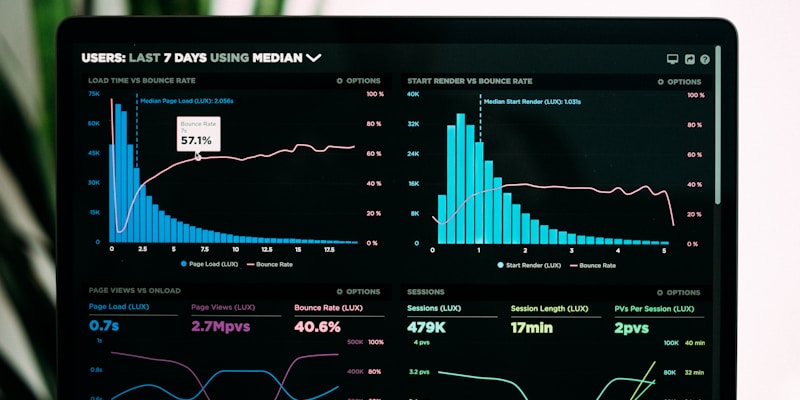
服务端计数把编辑器遥测一直看不到的流量暴露了出来。
totals_by_client 补的是哪个洞
旧报告里只有 totals_by_ide。在编辑器里跑的会自报家门,不在编辑器里跑的完全看不见。过去一年,越来越多模型流量转移到了「以 Copilot 为供应商、但不在 IDE 里」的工具上——终端里的智能体、独立 App、Agent Client Protocol 集成——这些工具不发编辑器遥测。流量是真的,账单是真的,但明细里没有。
服务端计数把这个洞堵上了。每个 client 条目带 request_count、session_count,以及包含 prompt tokens、output tokens 和平均每请求 token 的 token_usage,外加按模型的 totals_by_model 拆分。未识别的客户端会归到 other,这让 other 那一行变成一个有意义的指标:如果它在涨,说明有你的资产清单不知道的工具已经进了生产。
有一个区别要记住,因为评审里最容易混。totals_by_client 统计的是「任何使用 Copilot 的工具产生的模型流量」,也就是请求和 token。而 agent app activity 统计的是 Claude、Codex 这类 agent app 在 GitHub 上启动的 job。一个团队可以启动很多 agent job、却几乎不产生经 Copilot 的模型流量,反过来也一样。两个都是真的,回答的是不同问题。
# Both changes land in the report JSON you already download, so start by reading the
# shape instead of guessing it. A 28-day aggregated report carries day_totals, and
# totals_by_client appears inside each entry, not only at the top level.

import json
from collections import defaultdict

report = json.load(open("report-28d.json"))

per_client = defaultdict(lambda: {"requests": 0, "sessions": 0,
                                  "prompt_tokens": 0, "output_tokens": 0})

for day in report.get("day_totals", []):
    for row in day.get("totals_by_client", []):
        c = per_client[row["client"]]
        c["requests"] += row.get("request_count", 0)
        c["sessions"] += row.get("session_count", 0)
        usage = row.get("token_usage") or {}
        c["prompt_tokens"] += usage.get("prompt_tokens", 0)
        c["output_tokens"] += usage.get("output_tokens", 0)

for client, row in sorted(per_client.items(), key=lambda kv: -kv[1]["requests"]):
    print(f"{client:14} req={row['requests']:>7} "
          f"sess={row['sessions']:>6} out_tok={row['output_tokens']:>10}")

# Unrecognised clients are grouped under "other", so an "other" line that keeps
# growing is a to-do item, not a rounding error.
有人问之前就先把新旧数字对上
这种变更之后的第一次报告,永远会引发一轮争论,因为差额看起来像用量暴涨。提前把解释准备好:按客户端统计的数字本来就比只按 IDE 统计的大,而这个差额的大小,正好告诉你组织里有多少模型用量此前是没有被记账的。
权限也会在这里咬人。这些报告开放给企业所有者、账单管理员、组织所有者,以及被授予 View Copilot Metrics 权限的自定义组织/企业角色,并且必须启用 Copilot usage metrics 策略。如果拥有预算的人看不到报告,这份报告就没在起作用。
还有一条要写进文档而不是留在脑子里:这些指标来自客户端遥测,可能少报,比如客户端版本过旧或遥测被阻断。一个悄悄少报的看板,比一个承认自己会少报的看板更糟——因为财务同事做的第一件事,就是手抽一个样本把数加起来,然后发现差。
# Reconcile before you report. Client-level accounting was added to close a gap --
# tools that run outside the editor never sent editor telemetry, so their traffic
# was absent from totals_by_ide. That means old and new numbers legitimately differ,
# and a jump is not automatically a regression or a spike in usage.

totals_by_ide = 0
totals_by_client = 0

for day in report.get("day_totals", []):
    totals_by_ide += sum(r.get("request_count", 0) for r in day.get("totals_by_ide", []))
    totals_by_client += sum(r.get("request_count", 0) for r in day.get("totals_by_client", []))

delta = totals_by_client - totals_by_ide
print("ide-only:", totals_by_ide, "client-wide:", totals_by_client, "delta:", delta)
print("delta share:", f"{delta / max(totals_by_client, 1):.1%}")

# Attach this to the first report after the change so nobody has to reconstruct
# why the line moved. If the delta is large, most of your organisation's model
# traffic was always coming from somewhere your dashboard could not see.

# Also distinguish model traffic from job activity: totals_by_client counts
# requests and tokens from any tool using Copilot, while agent app activity counts
# jobs started by agent apps such as Claude and Codex on GitHub. Different question.
真正有意思的字段是 model_selection_mode
totals_by_model 的每个条目都带 model_selection_mode,说明这个模型是被直接指定(user_selected)、被自动路由选的(auto),还是被产品选的(product_selected)。未上报的模式显示为 other,无法归一的值显示为 unknown。GitHub 特别说明,code review 和 cloud agent 报 product_selected,因为是产品在选模型。
这一个字段把两种完全不同的故事分开。user_selected 占比高,说明花销跟着你指南里写的那套选择走,改模型政策就会改账单。product_selected 占比高,说明是默认值和自动化功能在塑造账单,这时候跟工程师说「选便宜点的模型」几乎什么都不会变。
实际用法很无聊但有效:报占比,而不只报总数。如果 product_selected 占请求量的 40%,那场关于成本的对话应该发生在负责自动化功能的人那里,而不是发生在正在使用它们的开发者那里。
# model_selection_mode is the field that changes decisions. Each totals_by_model
# entry says whether the model was requested directly (user_selected), picked by
# auto, or chosen by the product (product_selected). Unreported modes appear as
# other, and values that cannot be normalised appear as unknown -- keep both
# visible instead of folding them into a total.

by_mode = defaultdict(int)
by_model = defaultdict(int)

for day in report.get("day_totals", []):
    for row in day.get("totals_by_client", []):
        for m in row.get("totals_by_model", []):
            n = m.get("request_count", 0)
            by_mode[m.get("model_selection_mode", "unknown")] += n
            by_model[m.get("model", "unknown")] += n

print("by selection mode:", dict(by_mode))
print("by model:", dict(sorted(by_model.items(), key=lambda kv: -kv[1])[:10]))

# If product_selected is a large share, your bill is being shaped by defaults and
# code review / cloud agent traffic, not by the model picker your guidelines describe.
# That is the sentence to bring to the next budget review.

要报「产品代选模型」的占比,而不只是总花销。
「有名字」带来了一点治理工作
真名比一个大口袋更有用,也更危险。名字来自客户端遥测,会被去掉首尾空白,长度限制 128 字符;看起来像文件路径的名字会被刻意保留在 other 或 custom 下面。上报名字的路径有限:Copilot CLI 的交互会话与 prompt 模式、Copilot 应用、ACP 集成(如 JetBrains)、以及 Copilot SDK,且需要 CLI 1.0.97 以上或 SDK v1.0.21 以上;IDE 内置聊天遥测不上报名字。
这带来两个义务。第一,25 项上限意味着长尾被截断,当组织里有上百个 skill 时,请把这份清单当抽样看。第二,名字是人写的文本:总会有人拿客户名、工单号、或者自己的名字来命名。报告出组织之前要审一遍名字,并且把这个动作排进流程,而不是靠某个英雄临时抓。
好处也是真的。你上线一个内部 MCP server,如果采用率一周只有五次交互,你现在几天内就知道,而不是一个季度后;推进落地的对话从证据开始,而不是从感觉开始。
# Names are now reported, which creates a governance job nobody asked for:
# names come from client telemetry, are trimmed, and are limited to 128 characters.
# Names that look like file paths stay grouped under other or custom.

import re

def review_names(report, max_show=25):
    issues = {"path_like": [], "too_long": [], "other_bucket": 0}
    for day in report.get("day_totals", []):
        for key in ("totals_by_skill", "totals_by_custom_agent", "totals_by_mcp",
                    "totals_by_slash_cmd", "totals_by_plugin"):
            rows = day.get(key, [])
            for row in rows:
                name = (row.get("name") or row.get("value") or "").strip()
                if name in ("other", "custom"):
                    issues["other_bucket"] += sum(row.get("interaction_count", 0) for r in [row])
                    continue
                if re.match(r"^[~./]", name):
                    issues["path_like"].append(name)
                if len(name) > 100:
                    issues["too_long"].append(name)
            if len(rows) > max_show:
                issues.setdefault("truncated", []).append((key, len(rows)))
    return issues

# Each list now carries up to 25 entries per record, up from five, with the rest
# rolled into a trailing "other". If your long tail is bigger than that, sample it
# deliberately rather than assuming the top 25 is the whole story.
print(review_names(report))

# Names are org-authored text. Review them before sharing a report outside the org,
# and check that nothing personal ended up in a skill or MCP server name.
一份能过审计的月度复盘
把报告压成三个数字和两条注意事项。三个数字:按客户端的总请求量、按 model_selection_mode 划分的占比、以及落在 other 里未上报的自定义活动量。两条注意事项:客户端遥测可能少报;IDE 内置聊天不上报名字。
然后把对账自动化,让它在有人发问之前就跑完。一个每月打印「只按 IDE 统计」与「按客户端统计」差额、并标注这个差额从哪天引入的脚本,能终结那种反复出现的「用量是不是暴涨了」的争论。在安全团队问「到底哪些工具在打模型」的那天,它也给你一个站得住的答案。
最后一个值得在数据还新的时候养成的习惯:命名时想一下六个月后这份报告能不能读。一个叫 pr-helper-2-final 的自定义 agent 是未来的调查工作;一个叫 infra-terraform-review 的自定义 agent 是你能在评审里的一条明细分项。
#!/usr/bin/env bash
# Monthly review, as a reproducible script instead of a slide someone rebuilt by hand.
set -euo pipefail

OUT="reports/copilot-$(date +%Y-%m)"
mkdir -p "$OUT"

echo "== pull reports =="
# Use the usage metrics API endpoints your org already calls; the 1-day and 28-day
# versions both expose totals_by_client, and the policy must be enabled.
echo "enterprise 28d -> $OUT/ent-28d.json"
echo "org 28d        -> $OUT/org-28d.json"

echo "== coverage sanity =="
python - <<'PY'
import json, glob
for path in glob.glob("reports/copilot-*/*-28d.json"):
    d = json.load(open(path))
    days = d.get("day_totals", [])
    with_client = sum(1 for x in days if x.get("totals_by_client"))
    print(f"{path}: {len(days)} days, {with_client} with client data")
PY

echo "== name hygiene =="
python - <<'PY'
print("check: <=128 chars, no path-like names, count entries beyond the 25 cap")
PY

echo "== caveat to print in the report itself =="
echo "client telemetry can undercount (outdated clients, blocked telemetry);"
echo "IDE built-in chat does not report names, only SDK-based agent experiences do."

自定义项名字是人写的文本,报告出组织前要审一遍。
📌 常见问题 FAQ
2026 年 10 月 23 日改了什么?
在企业、组织、企业用户和组织用户报告的 1 日与 28 日版本里新增了 totals_by_client 数组。它捕获 OpenCode、Codex、Zed 这类此前不在报告里的工具的模型用量,包含请求数、会话数、token 用量以及按模型的拆分。
2026 年 10 月 22 日改了什么?
totals_by_skill、totals_by_custom_agent、totals_by_mcp、totals_by_slash_cmd 和 totals_by_plugin 数组开始返回配置名,而不是归到 other 或 custom;同时每条记录最多 25 项,从 5 项提高。
为什么我的请求数比以前高了?
按客户端统计是在服务端计数的,所以那些在 IDE 之外、从不发编辑器遥测的工具流量现在出现了。相对于旧版只按 IDE 的拆分出现差额是预期的,不是用量突然暴涨。
谁能看这些报告?
企业所有者与账单管理员、组织所有者,以及被授予 View Copilot Metrics 权限的自定义组织/企业角色。并且必须启用 Copilot usage metrics 策略。
它和 agent app activity 有什么区别?
totals_by_client 统计任何使用 Copilot 的工具产生的模型流量(请求与 token)。agent app activity 统计 Claude、Codex 等 agent app 在 GitHub 上启动的 job。两者测的不是一回事,不要相加。